New Learning Spaces 2025
BKP and BLB NRW university competition
New Learning Spaces 2025
BKP and BLB NRW university competition
.jpg)
Learning Spaces
Autor(en)
Heiner Kolde
|
CEO & Founder
Heiner Kolde
|
CEO & Founder
Lesezeit
min.
Learning is more important today than ever. In a world that is changing rapidly — technologically, socially, globally — education is no longer a completed process. It accompanies us throughout our lives.

Learning today means much more than just acquiring knowledge: It includes personal development, critical thinking and the ability to deal with constant change. Metacompetencies such as reflected judgment, adaptability, learning ability and a confident approach to rapidly changing structures are decisive today.
In the past, learning was often linear: school, education or study, work — a path taken was rarely abandoned. Today, learning is more of a cycle with branches — complex, interconnected, dynamic. Knowledge is created through trial and error, not in textbooks. Everyone designs their learning path individually, flexibly and independently.
This also changes the requirements for the spaces in which learning takes place. Traditional learning spaces are no longer up to date. Sustainable learning spaces must inspire, enable exchange, live openness, promote curiosity and self-effectiveness. They are social places where people meet, ideas grow and new perspectives arise alternately.
Learning has long since become an ongoing process that is an integral part of all phases of life. It requires environments that encourage creativity and self-organization, rather than restrict them. This is exactly where the New Learning Spaces 2025 university competition comes in. Together with Bau- und Liegenschaftsbetrieb NRW (BLB NRW), bkp is looking at the key issues of the future:
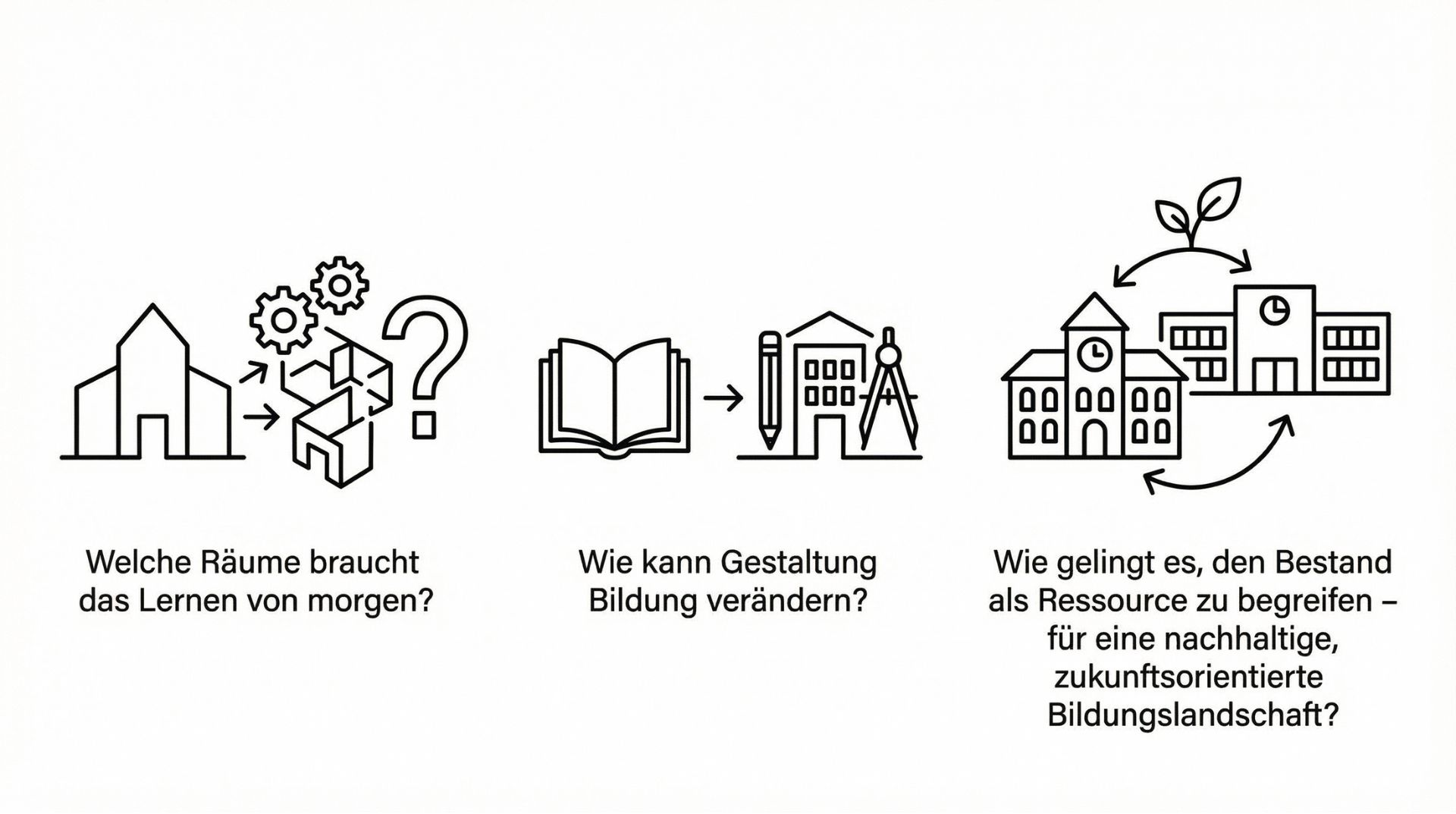
The competition is structured in two stages and combines scientific knowledge with creative practice. The first phase of the competition began in the summer semester 2025: basic research. Under the direction of Prof. Dr. Alexandra Scheele, sociology students investigated the requirements for contemporary learning and working environments — from school learning spaces to secretarial work to everyday working life for architects.
The research results clearly showed that there is no one place of learning or working in the future. Requirements differ depending on context, usage patterns, and social dynamics. For learning spaces, this means that they must be diverse, flexible and adaptable — and reflect the different needs of their users.
These findings formed the basis for the subsequent design phase in the winter semester. They served as a theoretical basis and content orientation to develop concrete spatial concepts from research.
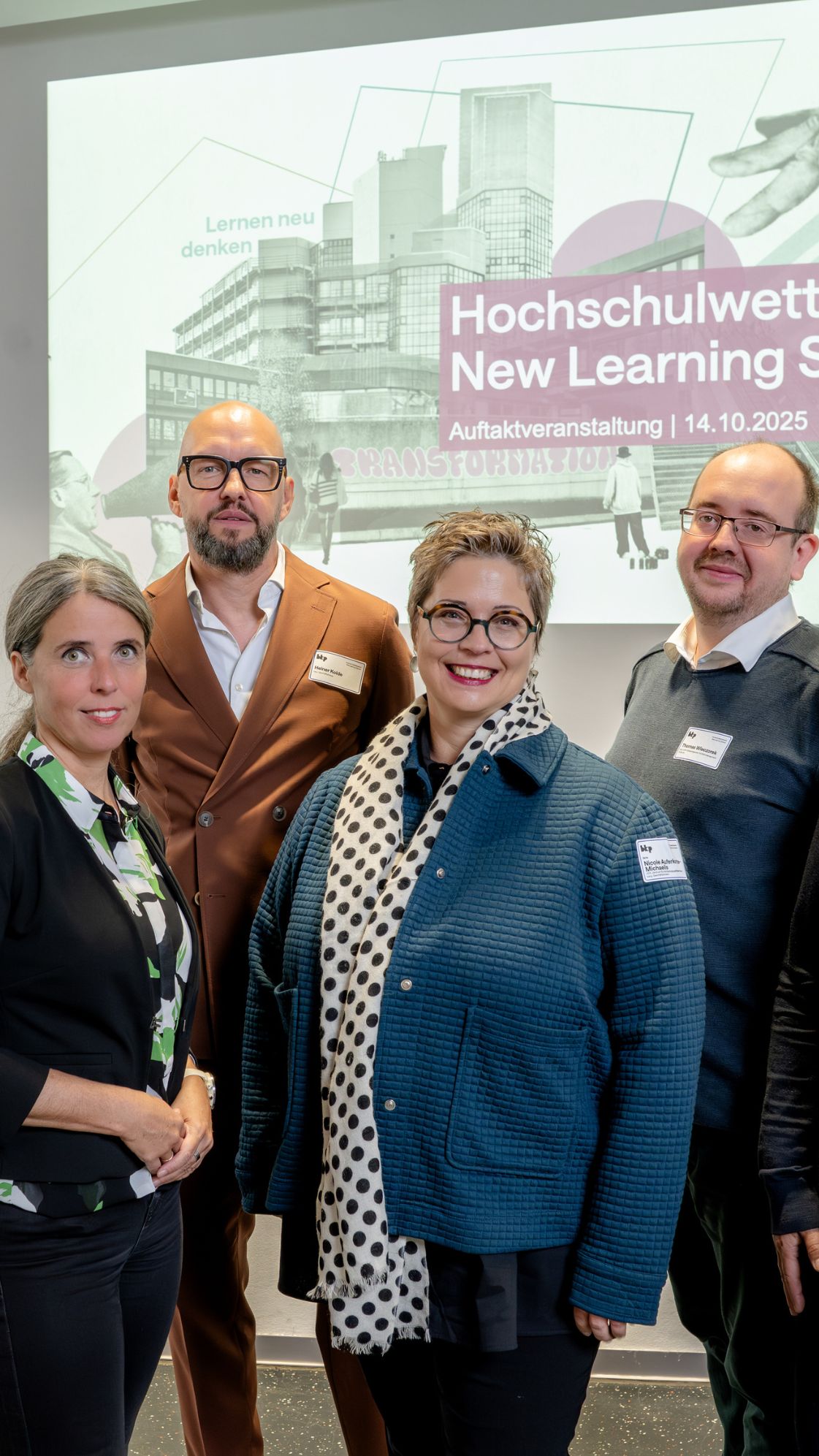
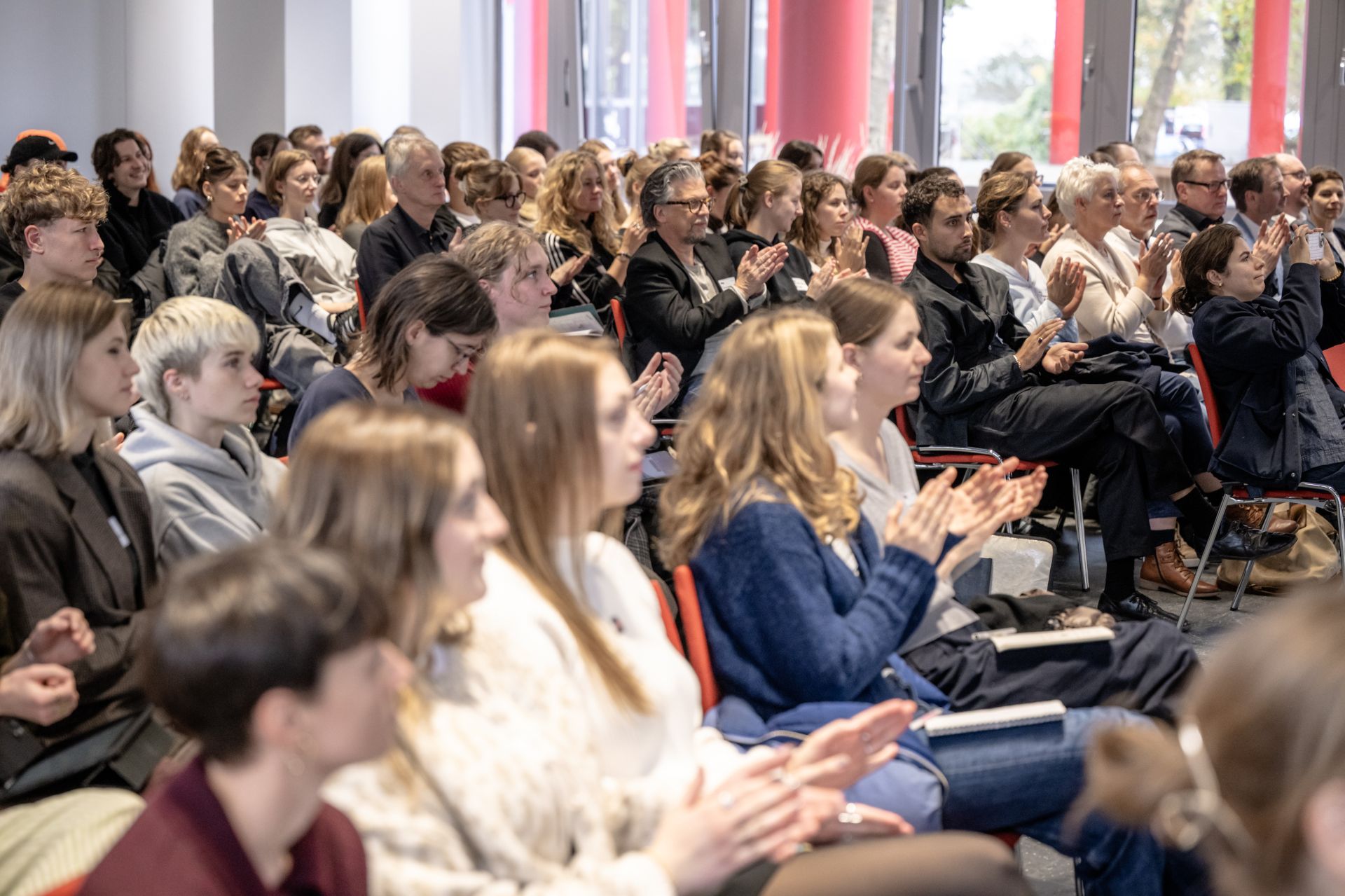
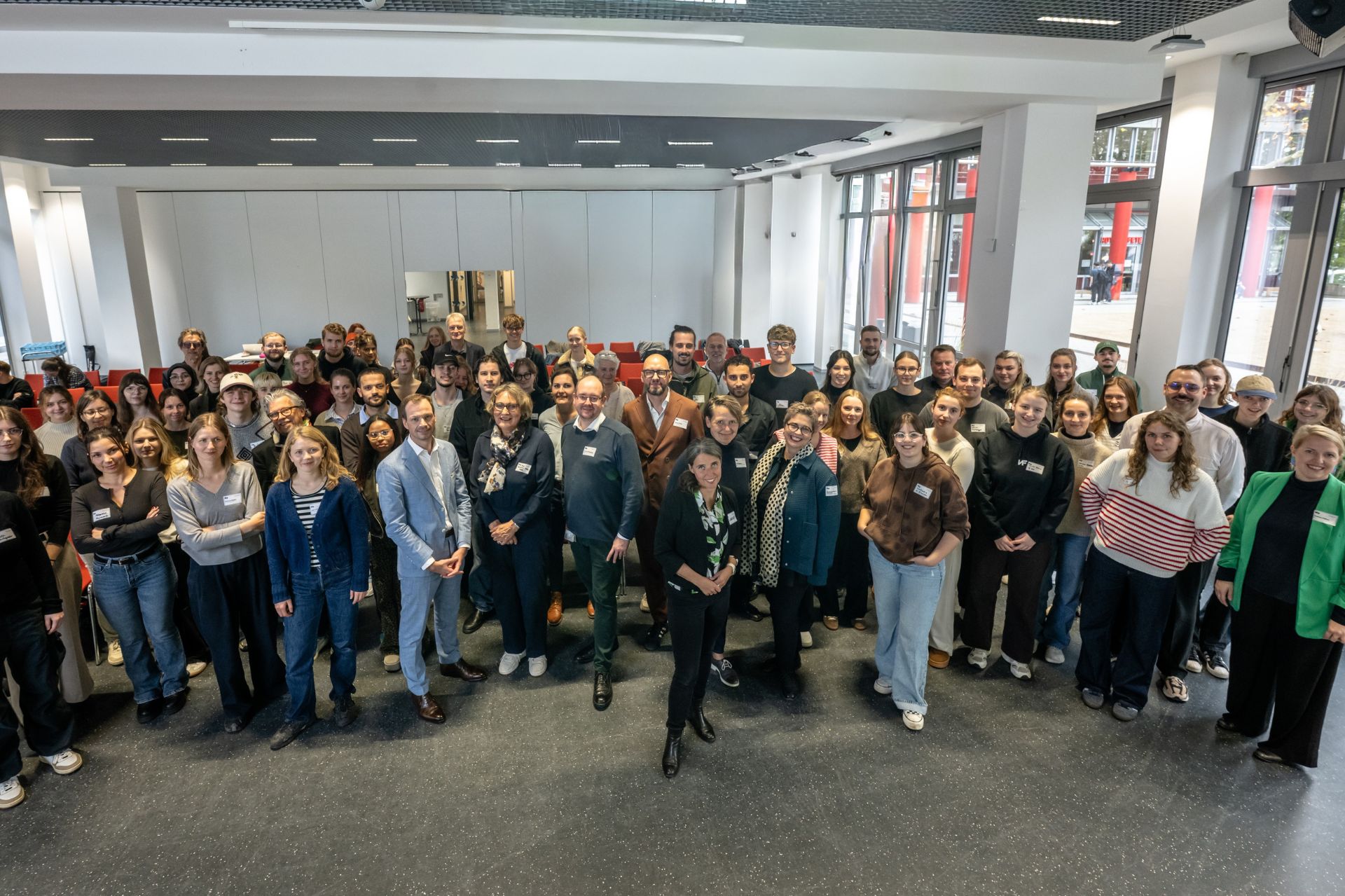
The research phase was completed by the kick-off event at the University of Duisburg-Essen (UDE) on October 14, 2025, which initiated the transition to the design phase. Students of architecture, interior design and sociology, professors, representatives of Bau- und Liegenschaftsbetrieb NRW (BLB NRW), the UDE and the bkp team came together around the existing building R12 on the Essen campus to jointly take the next step in the development of tomorrow's learning spaces.
The sociology students presented their research results together with Prof. Dr. Alexandra Scheele and discussed them with future designers. The event served as a bridge between theory and practice — and as a starting signal for the creative implementation of research findings into concrete spatial concepts.
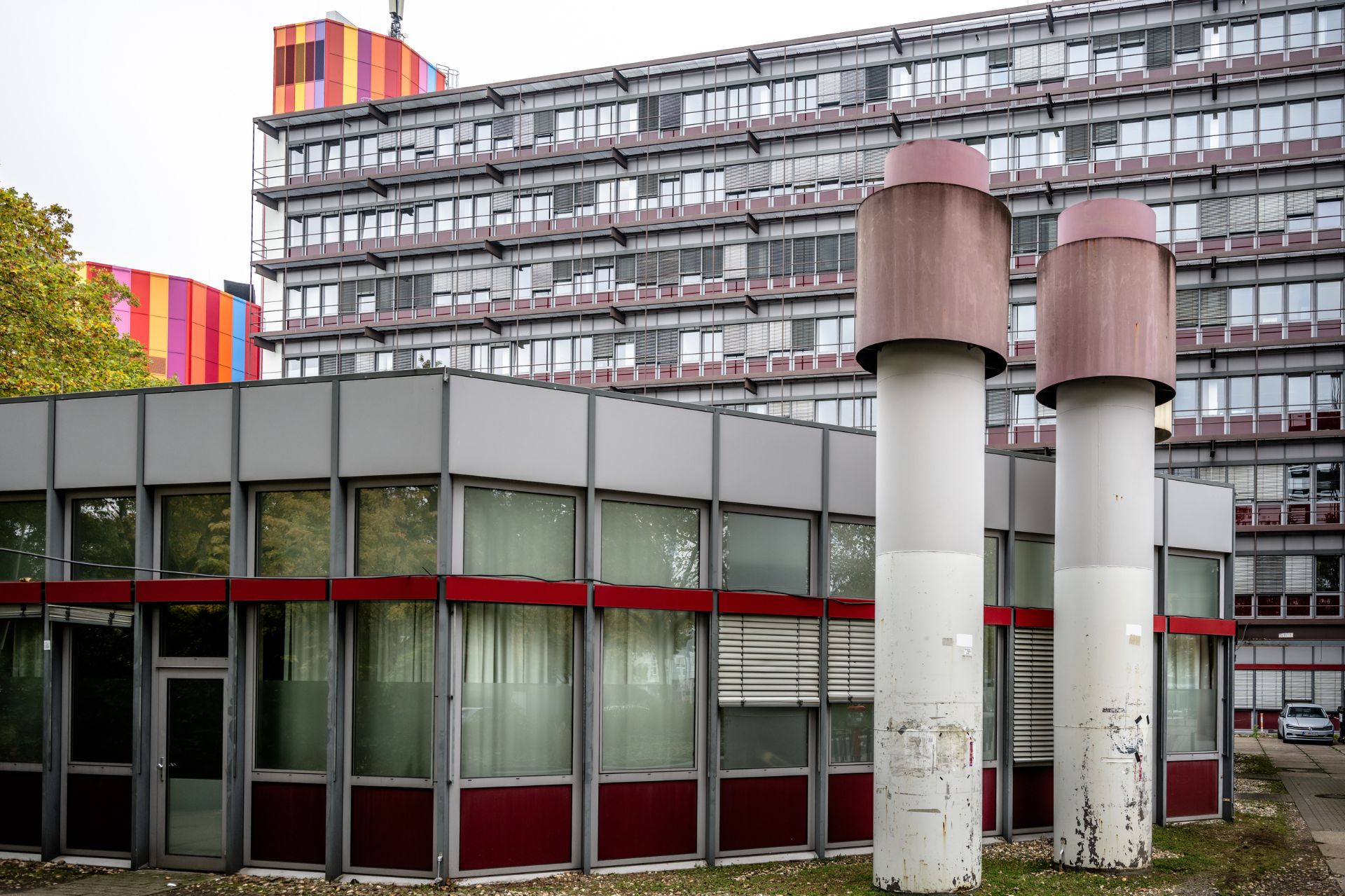
Building on the sociological research phase, architecture and interior design students are now exploring the central question: Which spaces do tomorrow's learning need? This key question marks the start of the design phase of the New Learning Spaces 2025 university competition, which bkp launched together with Bau-und Liegenschaftsbetrieb NRW (BLB NRW). By March 2026, students will develop innovative concepts for the existing R12 building on the Essen campus of the University of Duisburg-Essen — a so-called ZPL building from the 1970s whose modular structure provides ideal conditions for new learning and working models.
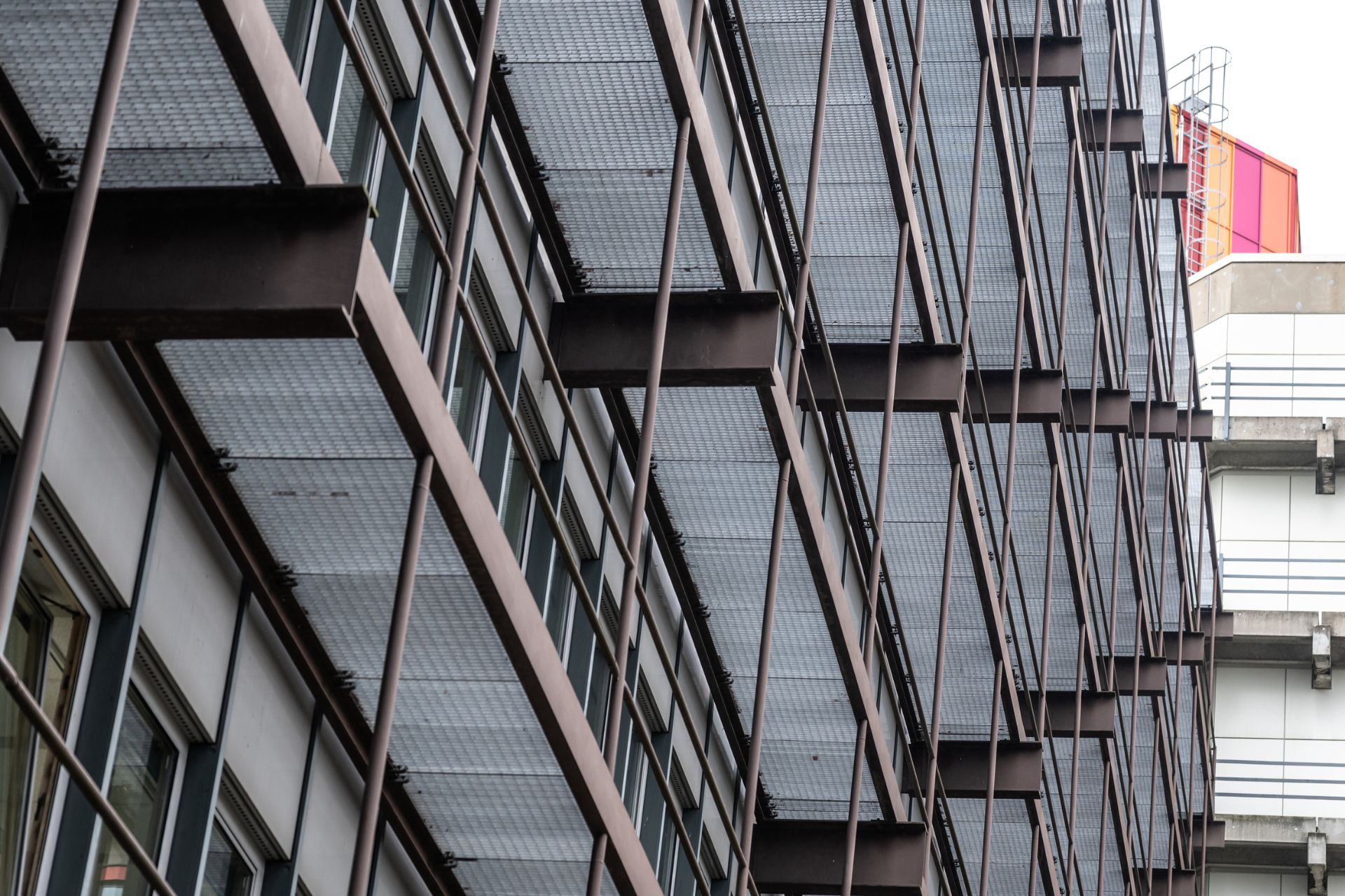
ZPL stands for “Central Planning Office for the Rationalization of State Buildings.” These types of buildings were once developed to efficiently meet the increasing demand for space at universities — with modular, flexible structures that still allow a wide range of uses and adjustments today.
The aim of the competition is to rethink the potential of these existing structures and to create learning and working spaces that live up to the principles of new learning: open, diverse, inspiring and adaptable.
The scientific support provided by Prof. Dr. Alexandra Scheele from Bielefeld University formed the basis of the competition. Under her leadership, sociology students investigated the requirements for contemporary and diverse working and learning environments — from school learning spaces to secretarial work to the everyday working life of architects.
A key result: There is no single place of learning or working in the future. Requirements, usage patterns, and social dynamics differ depending on the context — each environment must be considered individually.
Architecture, design and organization follow their own logic, while people fill the rooms with life. Only when spaces meet different needs — from concentrated work to cooperative group processes — can they really promote learning and collaboration.
Aesthetically designed spaces also have a positive effect on productivity, satisfaction and motivation, while small-scale structures tend to be burdensome. At the same time, research has shown that open space and desk sharing concepts promote spontaneity and exchange, but also require a period of adjustment and must be considered. It is crucial that spaces are designed in such a way that both learning and coming together are successful — taking different needs into account.
Based on the scientific findings, design work will now begin in the winter semester 2025/26. Architecture and interior design students from various universities as well as young architecture firms are invited to translate the research results into spatial visions. In doing so, they should take design, functional and social aspects equally into account.
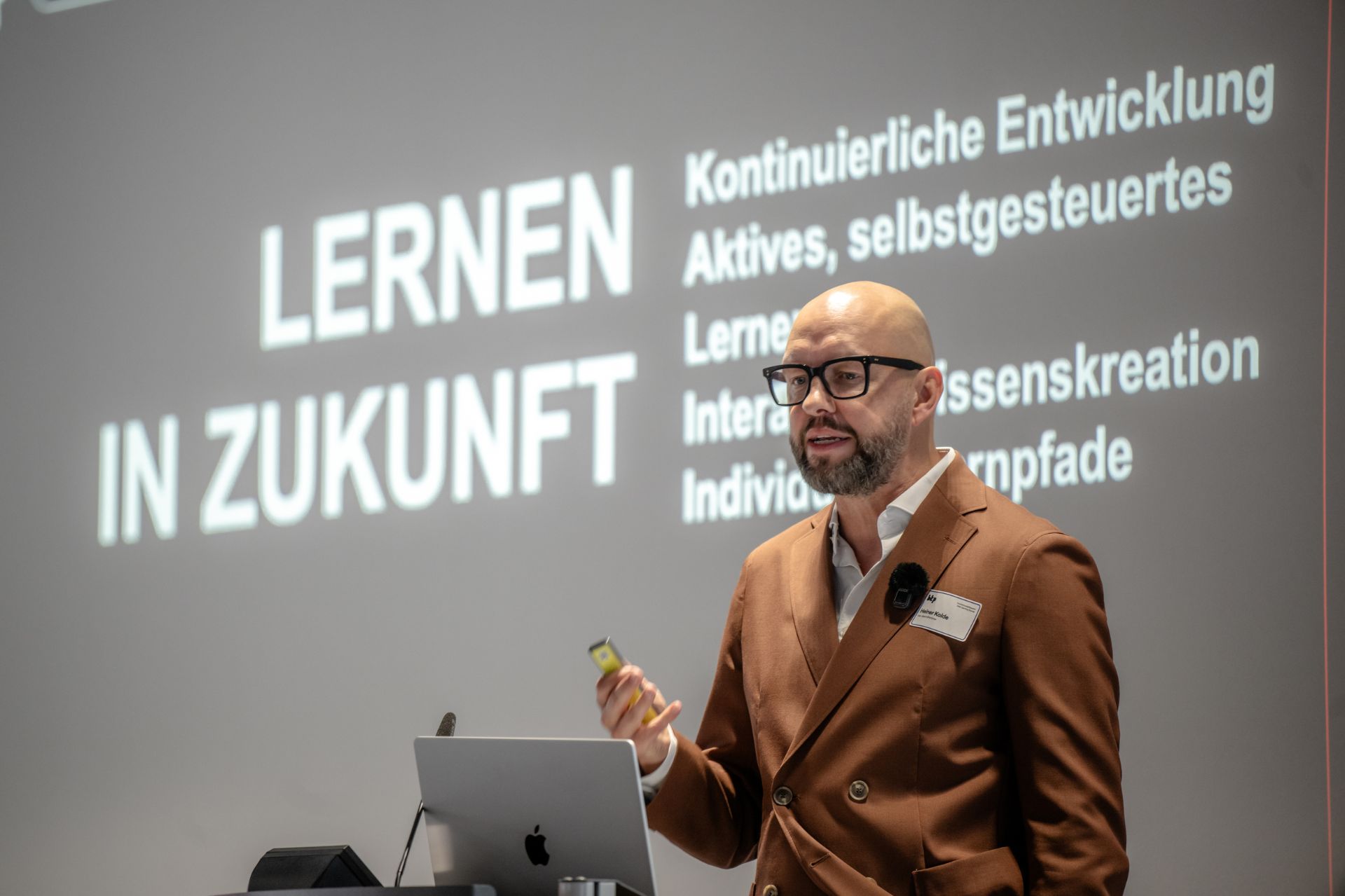
“The research phase provided valuable impetus and showed how complex the requirements for modern learning spaces are,” says Heiner Kolde, Managing Director of bkp. “We are now excited to see how students translate these findings into spatial visions. What is special about this competition is that we are combining science and design so closely for the first time. Sociology, architecture and interior design work together — and thus prove how important young perspectives are for transforming our educational landscape. ”
Prof. Dr. Alexandra Scheele also underlines the importance of combining research and design: “Sociological research has made it clear that architecture fundamentally structures social space. Spaces must be designed in such a way that both learning and coming together are successful. There is no single solution. Instead, various concerns must be taken into account — in addition to spatial factors such as light, color and furniture, structural framework conditions and the living working culture of an organization. ”
Building R12 is representative of many ZPL buildings in North Rhine-Westphalia. These were once designed flexibly and modularly to meet increased space requirements — but today it is necessary to break up the linear cell structure with a fixed central core and create opportunities for use that meet the new zeitgeist and requirements of learning and working environments.
“Building R12 is representative of many ZPL buildings in North Rhine-Westphalia,” explains Ute Nieskens, Head of Strategic Real Estate Management at the University of Duisburg-Essen. “These were originally designed for flexibility of use, but today we have to break up the linear distribution and cell structure. The central question is: How do we learn today — and how can we transform our existing buildings accordingly? We are very excited about the participants' concepts and are pleased if the R12 R can serve as an inspiration for similar buildings. ”
“As BLB NRW, our focus is on sustainably transforming existing properties,” says Till Neschen, Technical Branch Manager Duisburg at BLB NRW. “Thanks to their modular structure and flexible floor plan, the ZPL buildings offer good conditions, but we need to rethink spaces — away from the classic corridor and cell structure. This competition provides us with valuable ideas on how we can create pioneering learning and working spaces in existing buildings that are functionally, aesthetically and energetically convincing. The inventory and the “golden energy” it contains are an important resource for sustainable development. ”
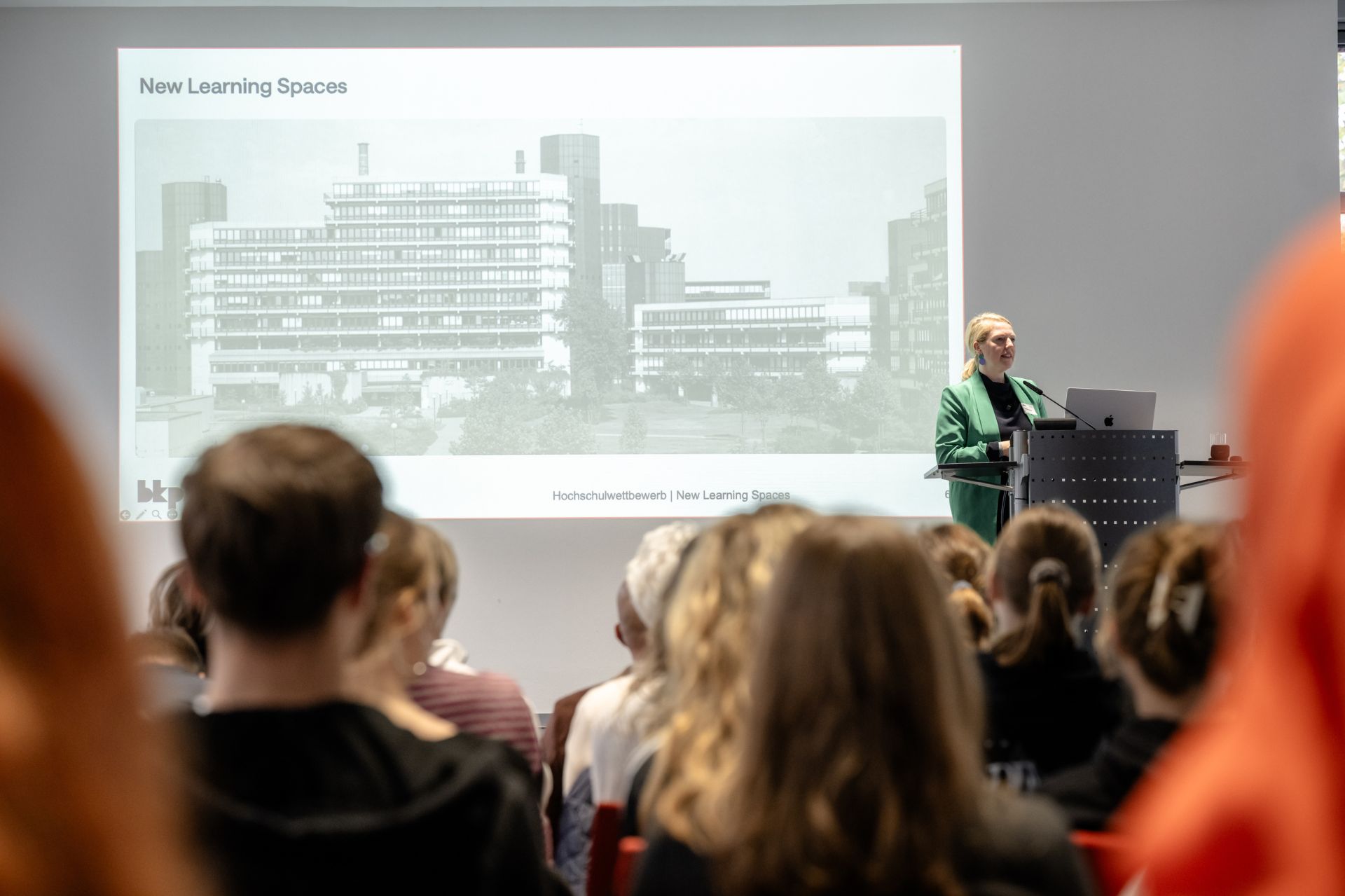
“It is also our responsibility as a planning office not only to generate innovative concepts, but also to protect the inventory and see it as a valuable resource,” emphasizes Theresa Kellner, organizational and content manager of the competition at bkp. “If we, as a society and as planners, succeed in developing suitable floor plan structures and clever space solutions for the large number of buildings from the 1970s and 1980s, we will make a significant contribution to the necessary conversion turnaround. Preserving what already exists is a conscious decision to protect the climate and conserve resources, because if the building fabric is still sustainable, innovation does not come from building new buildings, but from thinking ahead and saving grey energy: opening spaces, reinterpreting uses, activating potential and transforming these buildings into the future. ”
With New Learning Spaces 2025 bkp is continuing its tradition of student competitions — and taking it to a new level. Previous competitions such as Work in a Box (2015) or The Feel Good Place (2019) were primarily creative sources of inspiration for new approaches in interior design. The current competition now goes one step further: It combines design, scientific research and social responsibility.
The two-stage university competition is interdisciplinary and integrated into the curricula of several universities. Sociology, architecture and interior design work hand in hand on practical and transferable solutions for the sustainable transformation of educational spaces in North Rhine-Westphalia.
The competition runs from the summer semester 2025 to the end of the winter semester 2025/26. Students of architecture and interior design from the fourth semester and young planning offices in their first two professional years are eligible to participate. The closing date for entries is March 1, 2026, and the awards ceremony will take place in May 2026. A total of 3,000 euros in prize money will be awarded.
Wissen
|
Learning Spaces
.jpg)