Lifelong learning
Heiner Kolde on the future of learning spaces
Lifelong learning
Heiner Kolde on the future of learning spaces
.jpg)
Learning Spaces
Autor(en)
Heiner Kolde
|
CEO & Founder
Heiner Kolde
|
CEO & Founder
Lesezeit
min.
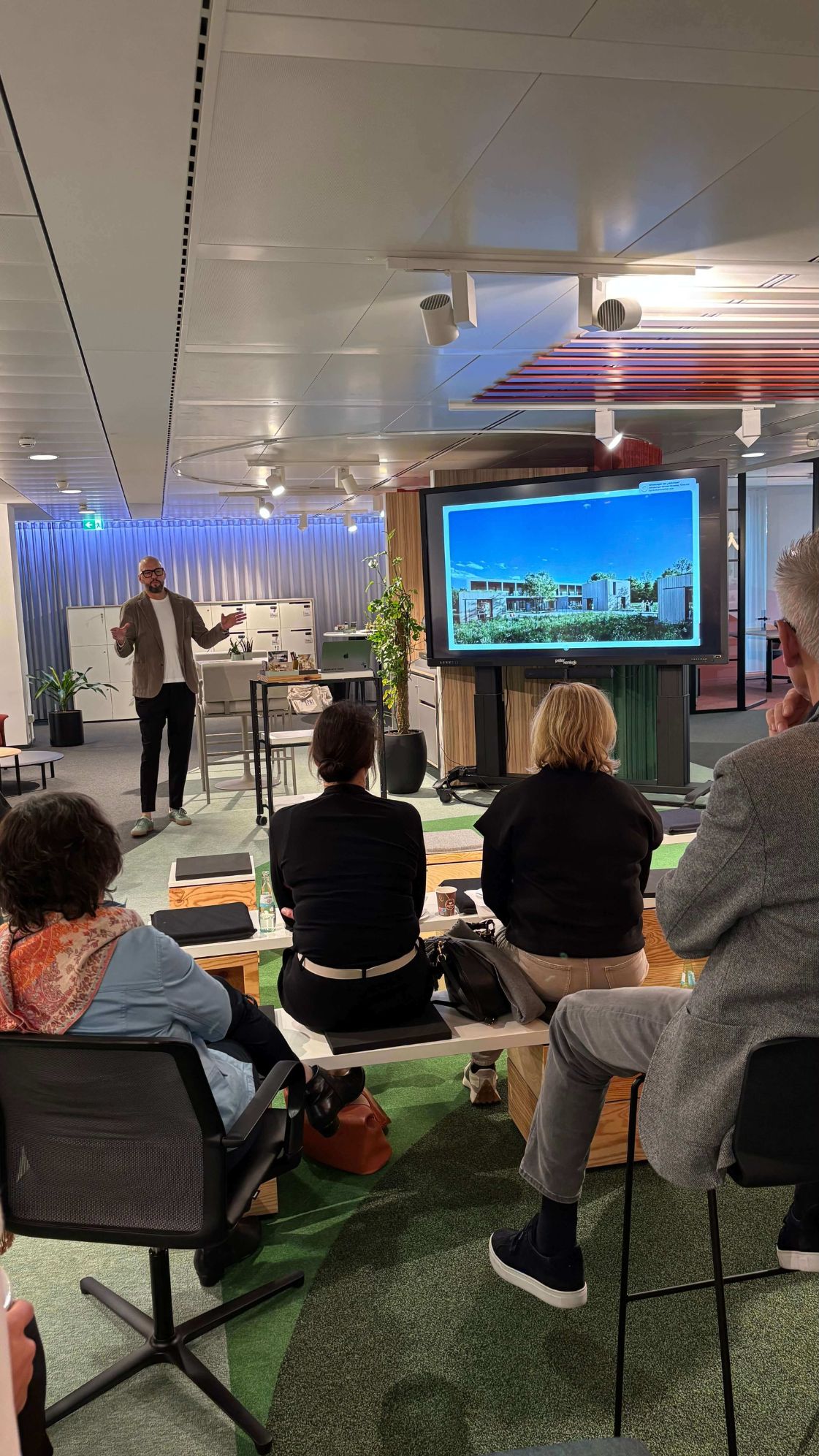
Lifelong learning has become a strategic future issue for companies — and is the focus of a presentation given by Heiner Kolde, founder and CEO of bkp, at the “Future Workspace” event at Bene held a showroom in Cologne. Under the title “Lifelong Learning — New Learning Spaces”, the graduate interior designer showed why learning today no longer only takes place in a seminar room, but in the consistently designed learning and working environment of a company.
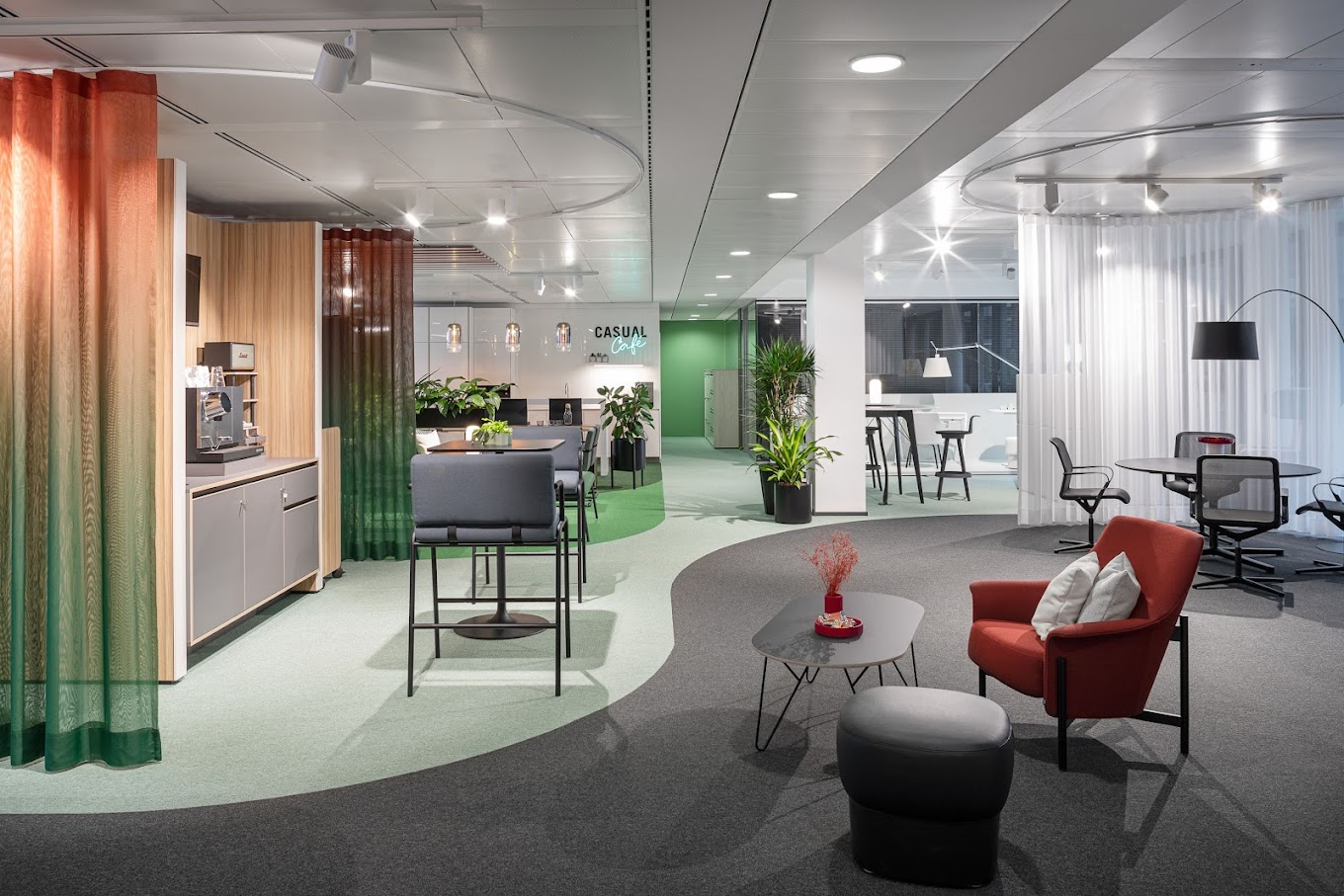

Heiner Kolde describes a working world in which a shortage of skilled workers, digital transformation and volatile markets set the pace — and in which the half-life of knowledge is maximum is 2 to 5 years. Companies are therefore faced with the task of learning faster than their environment is changing if they want to remain competitive. From this perspective, lifelong learning is not an HR initiative, but a central lever for value creation, innovation and resilience.
A key point of the presentation is learning culture as a measurable competitive advantage. Systematic leadership development, targeted qualification programs and continuous development opportunities contribute directly to productivity, employee retention and business results. Companies that establish a learning culture reduce fluctuation, increase commitment and create the basis for long-term innovative strength.
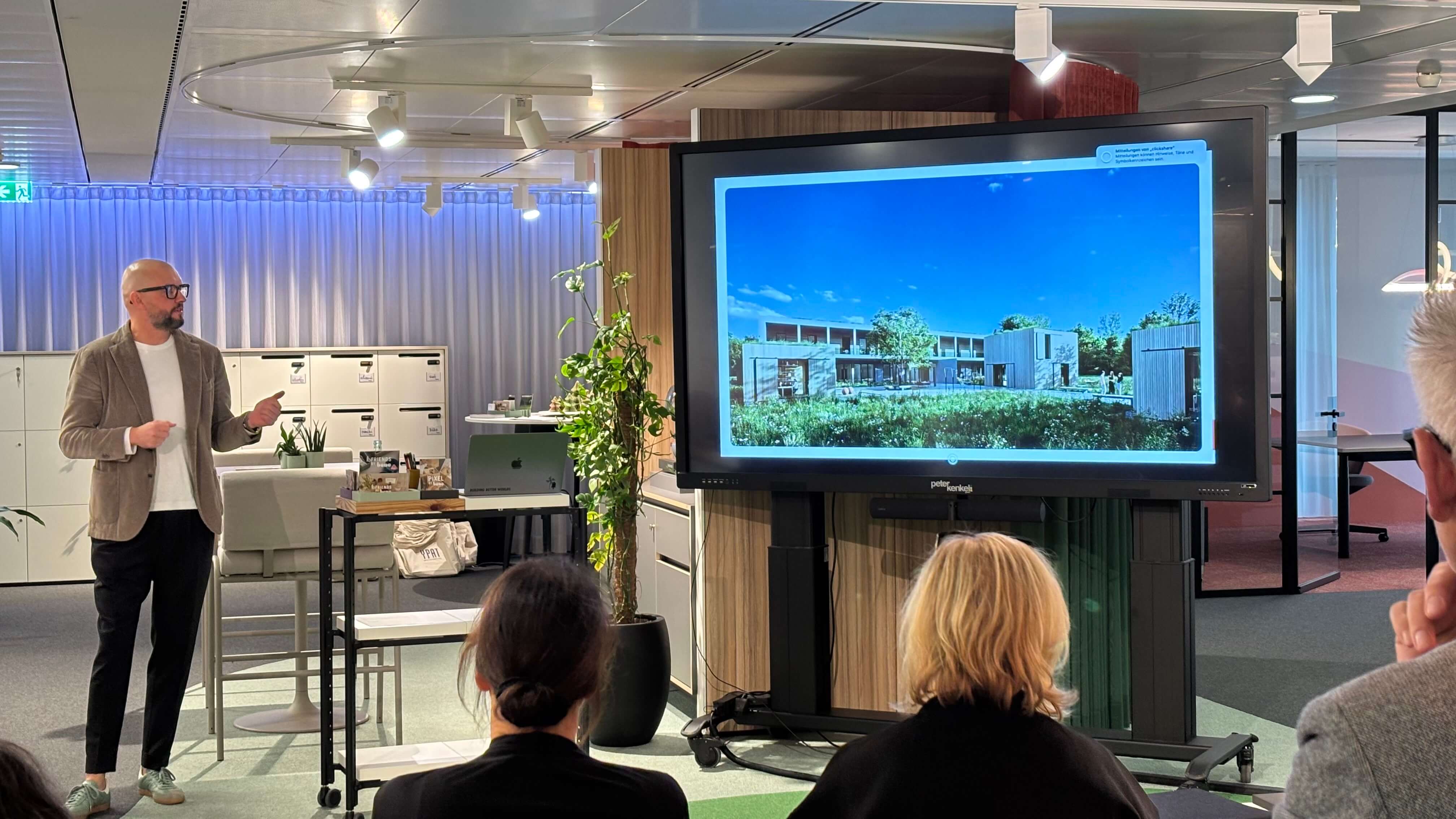
The central lever for this is spaces that enable learning rather than hinder it. Heiner Kolde makes it clear that spaces are not backdrops, but active learning partners — they shape behavior, create or prevent psychological security and help decide whether new formats are adopted. The classic image of a rigid classroom no longer fits a reality in which 70 percent of learning takes place in everyday working life, 20 percent in exchange and only 10 percent informal training.
From this 70-20-10 perspective Heiner Kolde derives requirements for modern learning environments. Learning spaces must represent experiential spaces, exchange zones and focused training areas in equal measure — with open meeting places, hybrid project areas, digital communities and analog retreats. There are also smart technologies, VR/AR and digital learning platforms that seamlessly combine formal and informal learning.
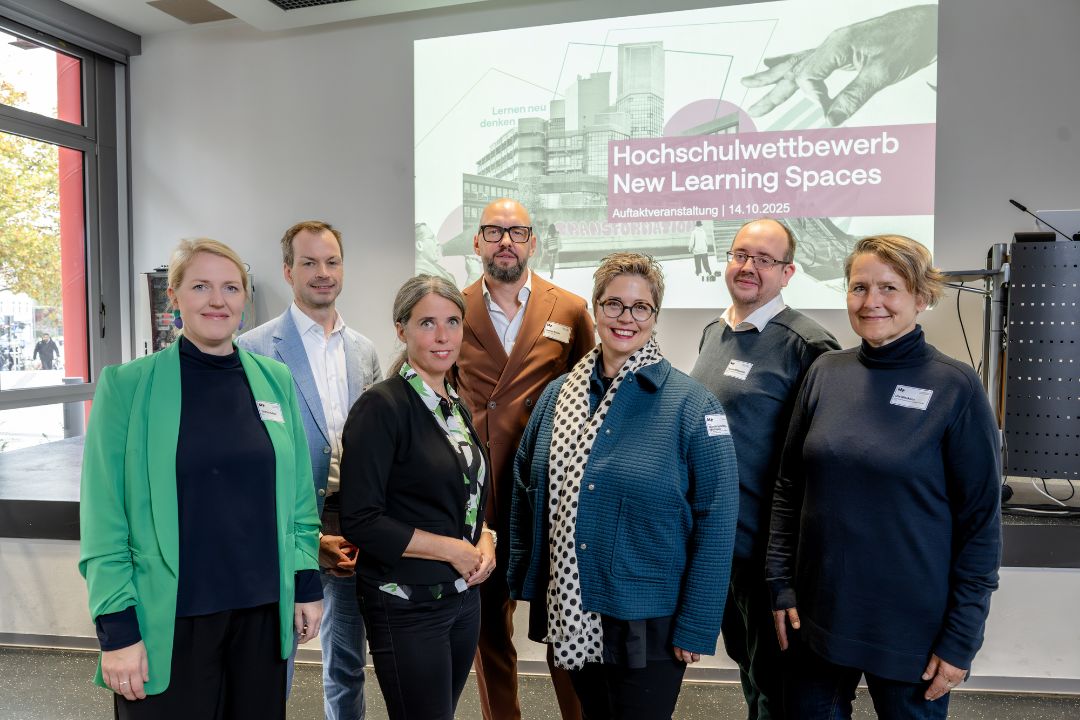
It is precisely at this point that the “New Learning Spaces” university competition from bkp and BLB NRW, who, using the example of the R12 university building at the University of Duisburg-Essen, is researching how existing buildings can be transformed into sustainable learning and working environments. Students of sociology, architecture and interior design as well as young offices combine research and design to develop new spatial concepts in which lifelong, networked and collaborative learning can be experienced spatially.
In his presentation, Heiner Kolde showed how bkp enshrines lifelong learning in everyday life. A central learning goals board ensures that each person makes their individual development goals visible and sharpens them together with the team. Our own digital learning platform bundles all content, courses and learning paths, supported by an AI coach who suggests appropriate training and “power skills.”
In addition, each employee has a fixed learning budget, 12 training days per year and around 5% of working time, which can be consciously used for personal development.
Practical examples that shape our learning culture:
This creates a learning culture at bkp in which development does not happen incidentally, but is structurally supported and made possible both spatially and organizationally.
Wissen
|
Learning Spaces